
I have read a lot of books about screenwriting. Some were helpful. Some made writing feel approximately 400 times more complicated than it needed to be. These are the seven I actually come back to.
I don’t think there is one “right” way to write a screenplay, and I definitely don’t follow every rule in every one of these books. But each one taught me something that genuinely changed how I approach story, character, structure, or the business of screenwriting.
This post contains affiliate links. As an Amazon Associate, I earn from qualifying purchases.
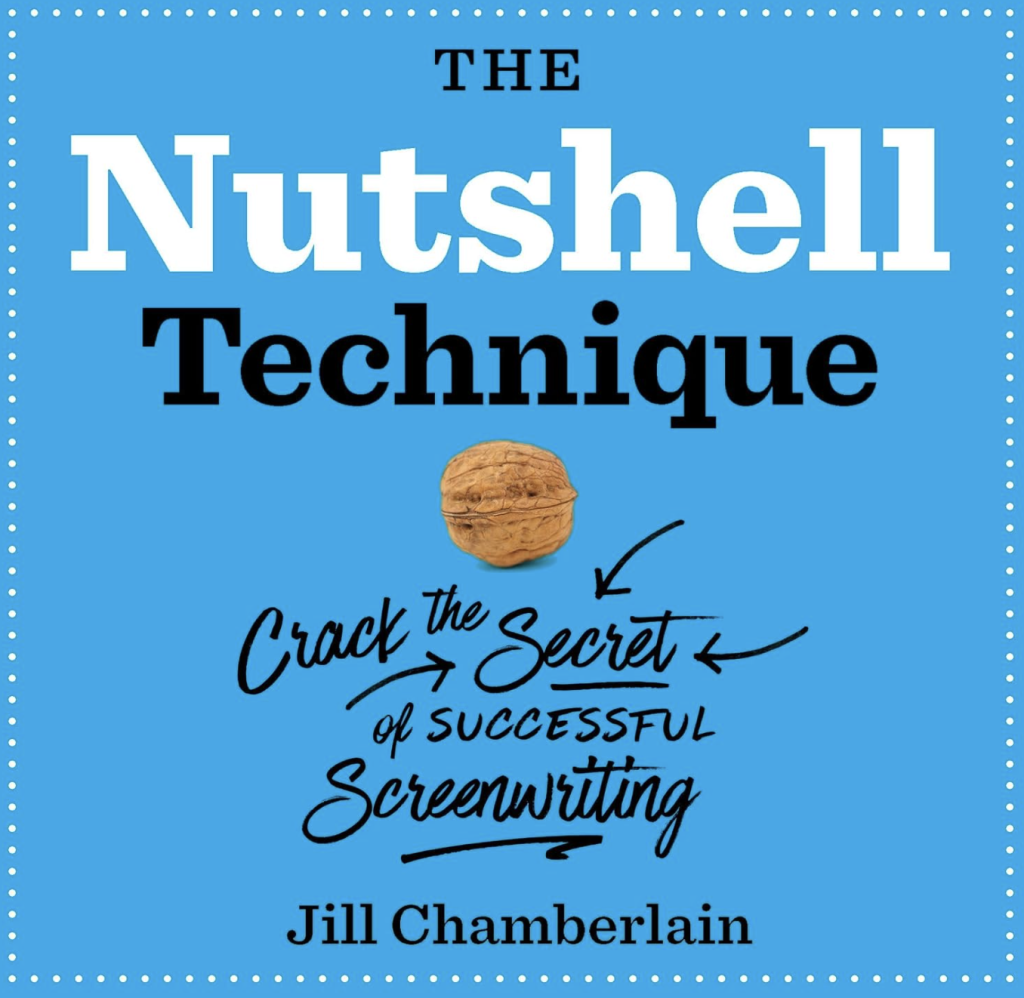
1. The Nutshell Technique by Jill Chamberlain
If I could only recommend one screenwriting book, it would probably be this one.
The biggest thing The Nutshell Technique taught me is that structure and character aren’t really two separate things. Your protagonist’s flaw, what they want, what they actually need, and what happens in the plot should all be working together.
This is the book I reach for when a story technically has a beginning, middle, and end, but something still feels wrong.
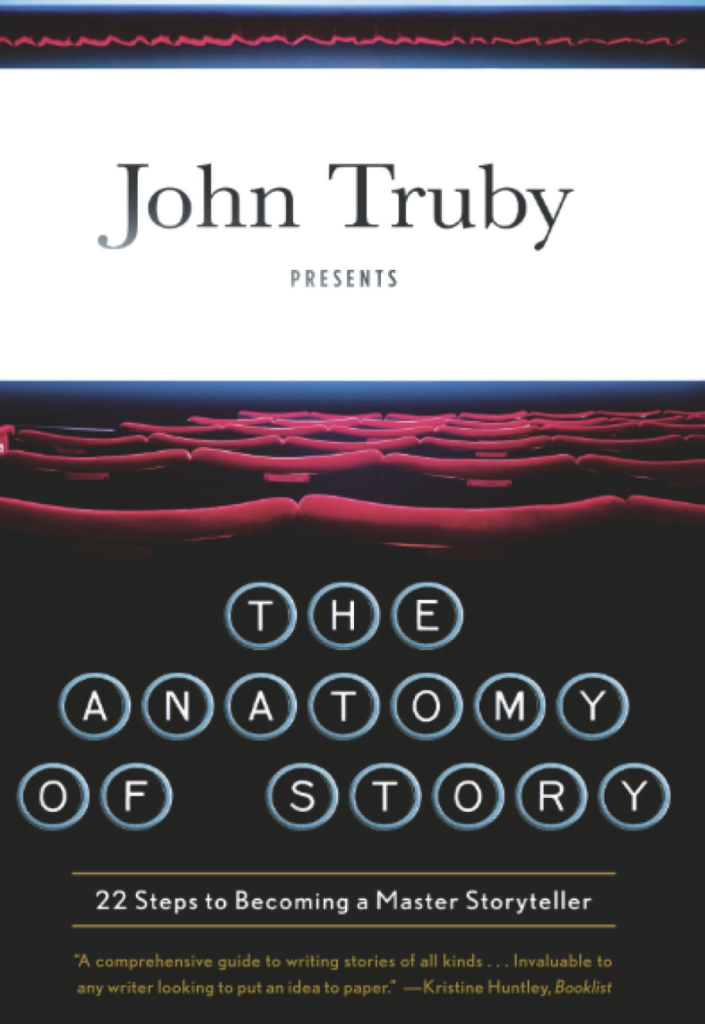
2. The Anatomy of Story by John Truby
This one goes deep. It isn’t necessarily the book I’d grab if I wanted a quick formula for plotting a movie, but it’s fantastic for understanding how all the pieces of a story connect.
Truby spends a lot of time on character development, desire, conflict, theme, and the moral argument underneath a story. It’s especially useful when I have an idea I love but need to figure out what the story is actually about.
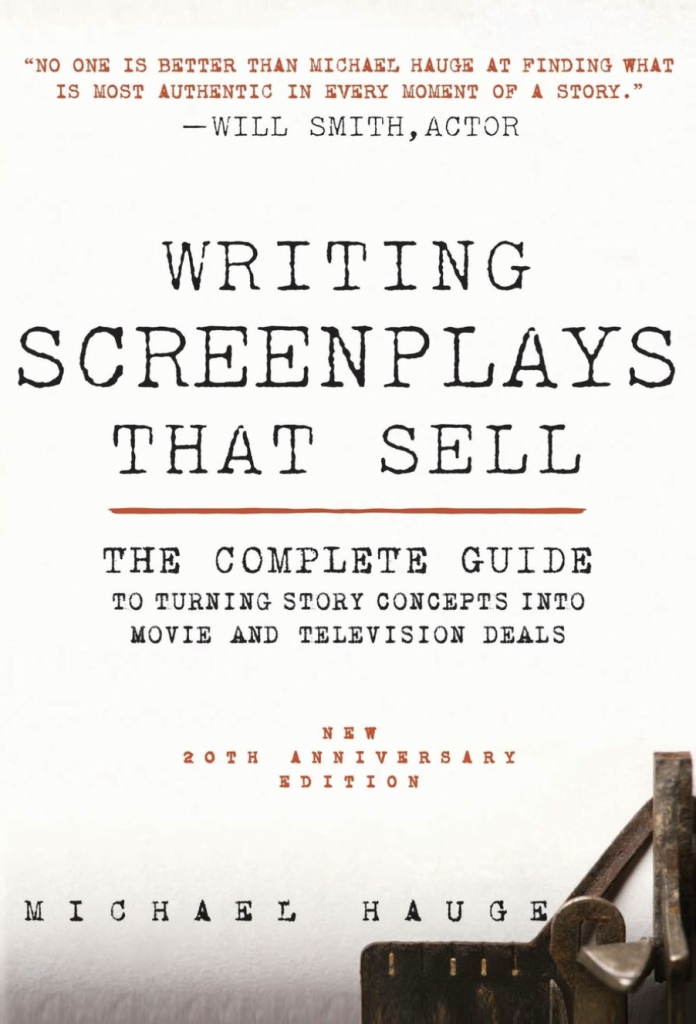
3. Writing Screenplays That Sell by Michael Hauge
I like this book because it doesn’t forget that screenwriting is both an art and a business.
You aren’t just writing a story. You’re writing something that eventually has to make another person want to keep reading, see the movie, finance it, produce it, or buy it.
It’s practical, straightforward, and especially helpful if you’re trying to understand how a screenplay works beyond simply finishing one.
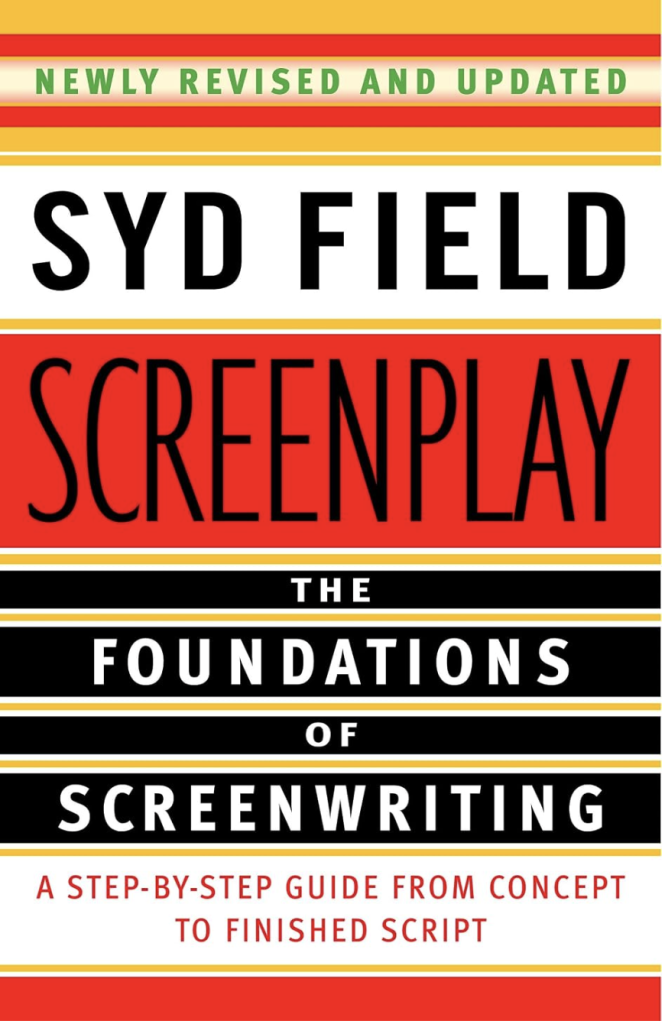
4. Screenplay by Syd Field
This is a classic for a reason.
Syd Field’s approach to three-act structure is probably one of the most recognizable screenwriting frameworks. Even if you eventually bend, break, or completely ignore some of those structural rules, I think it helps to understand them first.
You have to know where the sandbox is before you start throwing sand everywhere.
5. Save the Cat! by Blake Snyder
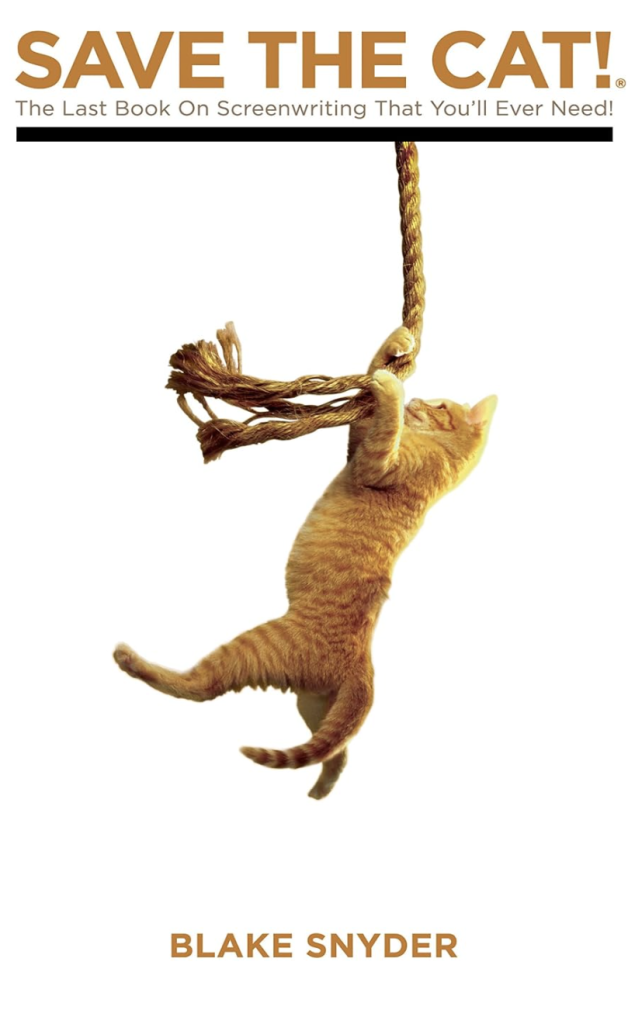
People have a lot of opinions about Save the Cat!, but I still think it’s useful.
I don’t treat the beat sheet like a mathematical formula that every screenplay has to follow. I use it more like a diagnostic tool. When I’m stuck or a section of a script is dragging, looking at the beats can help me see what’s missing.
Take what works. Leave what doesn’t.
6. The Screenwriter’s Bible by David Trottier
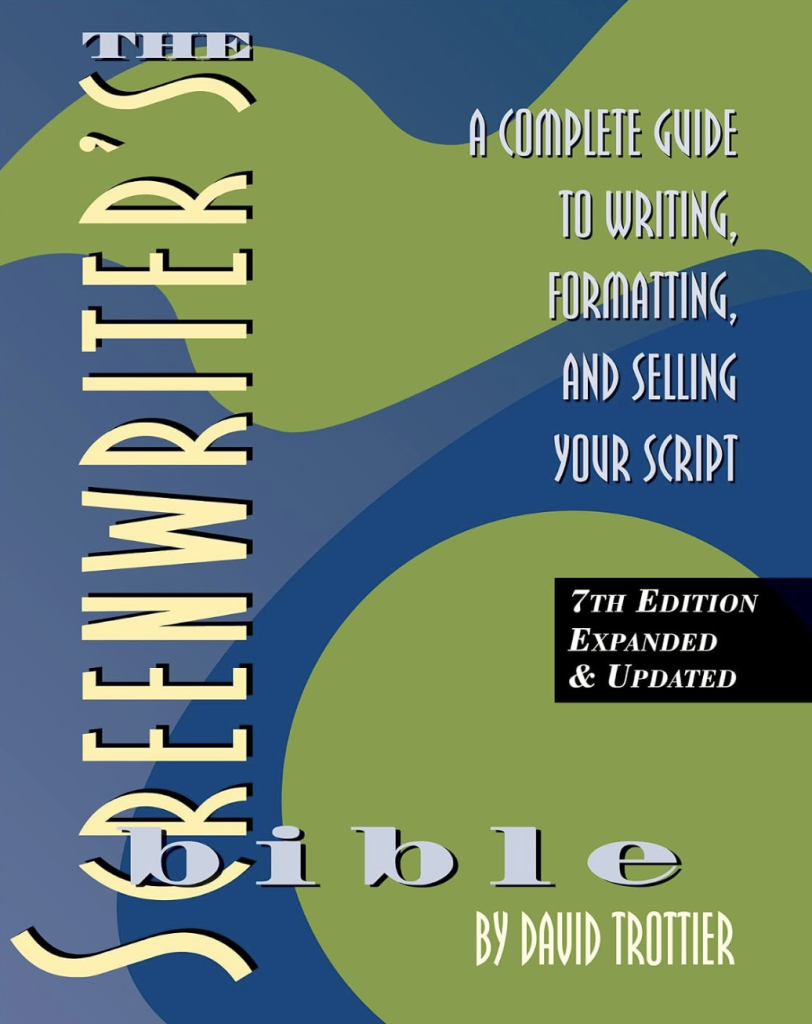
This is the one I keep around as a reference book.
Formatting, terminology, screenplay conventions, rewriting, selling your work, all the little questions that inevitably come up while you’re writing are covered here.
You don’t necessarily have to sit down and read the entire thing front to back. It’s the book you want within grabbing distance when you’re halfway through a screenplay and suddenly think, Wait… how the hell am I supposed to format this?
7. The Creative Screenwriter by Julian Hoxter
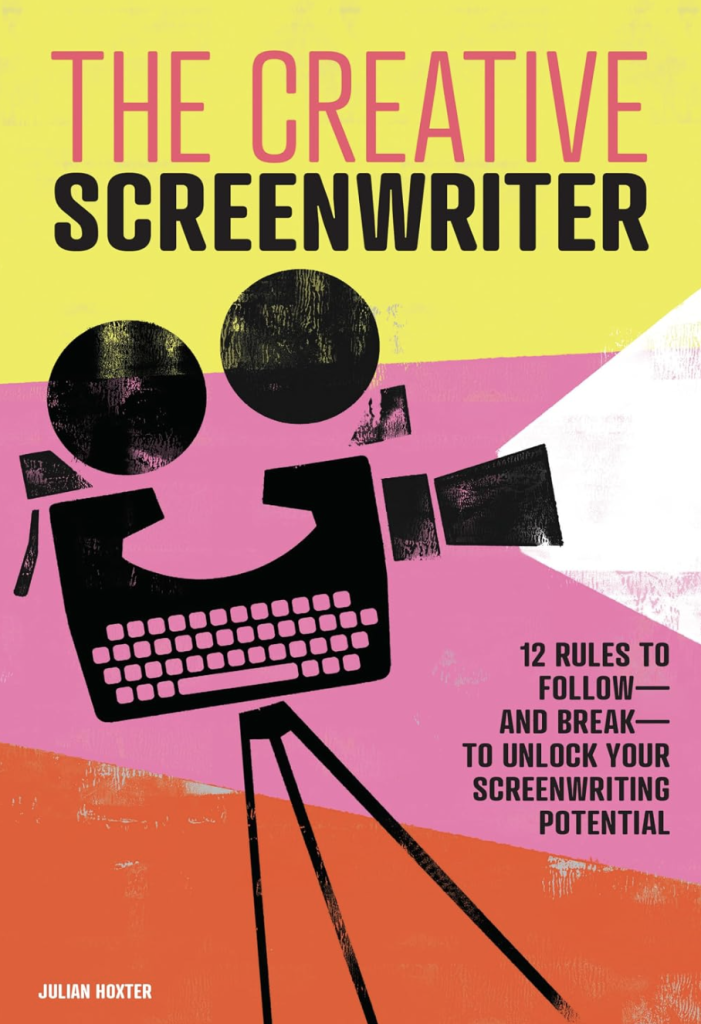
I love this one because it focuses on actually developing your craft, not just memorizing rules about screenplay structure.
It’s full of exercises that make you think differently about character, story, dialogue, genre, and the choices you’re making on the page. I think that’s especially useful once you understand the basics and want to start figuring out what makes your writing yours.
Screenwriting books can sometimes make you feel like you’re supposed to follow a formula. This one feels much more like, Okay, you know the tools. Now let’s actually play with them.
7 Ways These Books Made Me a Better Screenwriter
- They taught me that character is structure.
The plot shouldn’t just happen to your protagonist. Who they are, what they want, and what they need to change should drive the story. - They taught me to find the story underneath the story.
A movie can be about falling in love, surviving a disaster, or solving a murder, but the best stories are usually about something deeper. - They taught me why structure matters.
Structure isn’t about forcing every story into the same formula. It’s about understanding why certain moments need to happen and why a story can feel off when they don’t. - They made me better at diagnosing my own scripts.
Instead of just knowing that something isn’t working, I have tools to figure out why it isn’t working. - They taught me the rules so I could break them intentionally.
I don’t believe every screenplay needs to follow the same beat sheet, but knowing the conventions gives me a choice. Breaking a rule on purpose is very different from not knowing it exists. - They made me think about the reader, not just the writer.
A screenplay isn’t the finished product. Someone has to read it and see the movie in their head. These books helped me think more about clarity, pacing, readability, and keeping someone turning pages. - They made me trust my own voice more.
Maybe the most important thing I learned from reading all these different approaches is that nobody completely agrees on how to write a screenplay. There isn’t one magic formula. Learn the craft, take what helps you, leave what doesn’t, and eventually figure out how you write.
I don’t think any book can magically make you a good screenwriter. You have to write, rewrite, screw things up, figure out why they aren’t working, and then write some more.
But these books gave me a better understanding of what I was actually doing on the page. I don’t follow every rule, and I don’t think you should either. I take what works for me, leave what doesn’t, and keep figuring out my own process.
That’s really the point. Learn the craft well enough that eventually, you can stop thinking about the rules and just tell the story.